
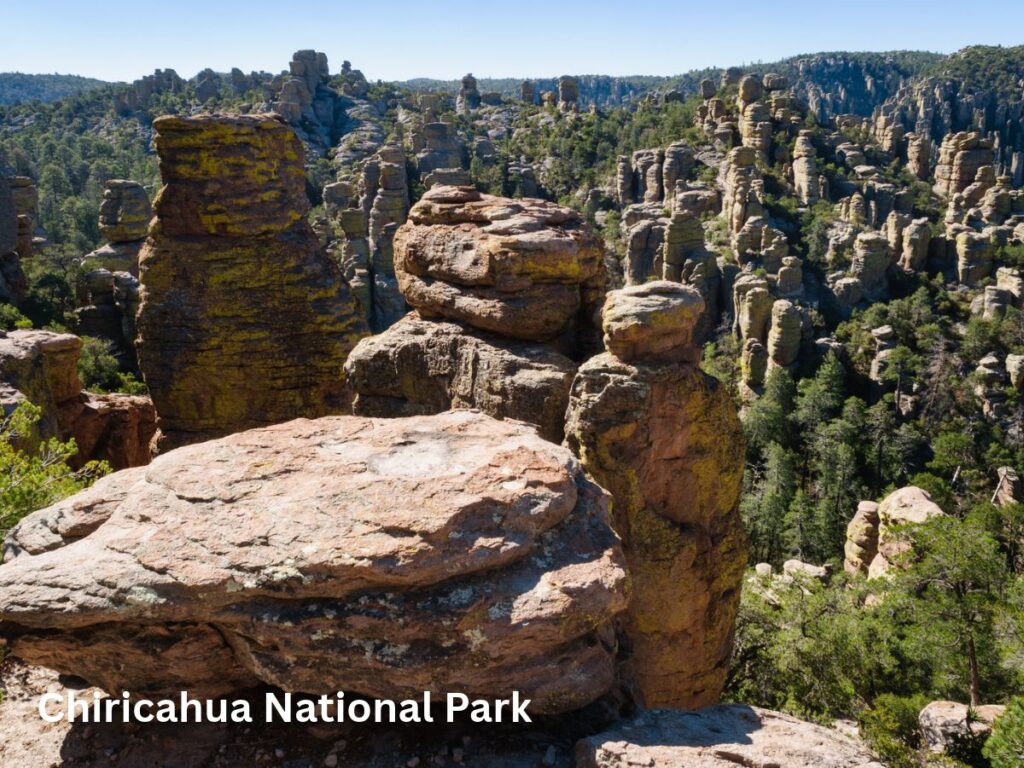
Chiricahua National Park is America’s newest national park, and if you haven’t heard of it yet, you’re not alone. Tucked into the mountains of southeastern Arizona, this incredible landscape is filled with towering volcanic rock formations, narrow canyons, balanced boulders, and hiking trails that wind through a maze of stone.
Formerly known as Chiricahua National Monument, the area officially became the 64th U.S. National Park on October 20, 2026. But while the name is new, the landscape has been protected for more than a century.
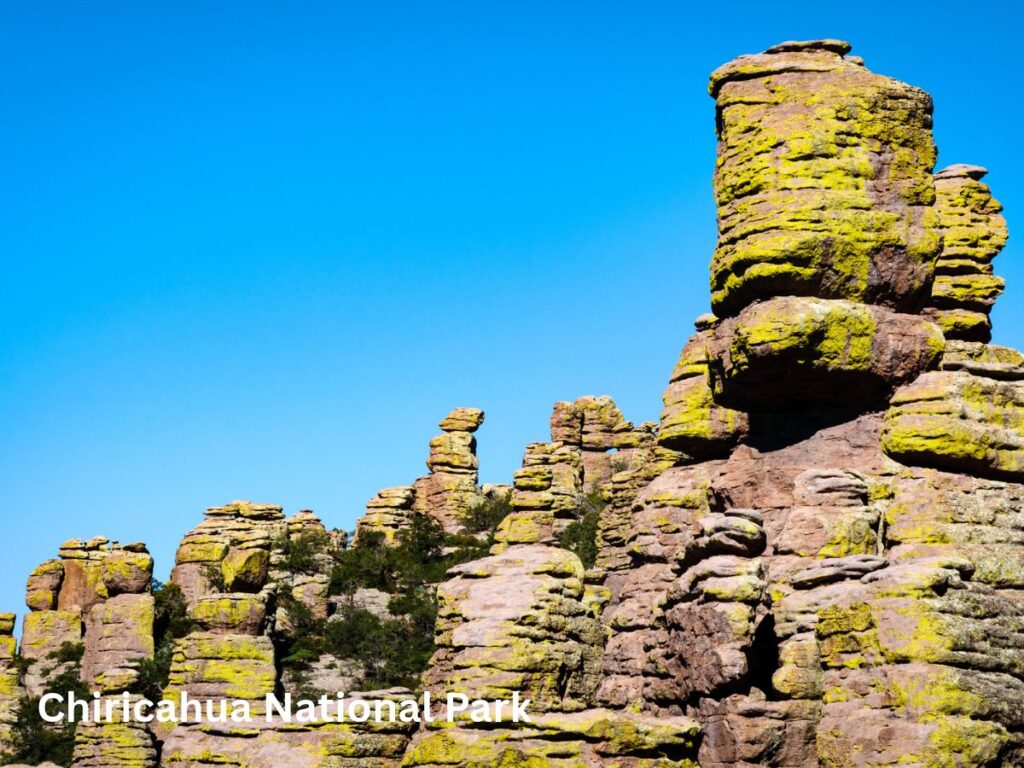
Often called the Wonderland of Rocks, Chiricahua feels different from Arizona’s better-known desert parks. Instead of enormous canyons or forests of saguaros, you’ll find thousands of rhyolite pinnacles rising above wooded valleys, with trails that lead right through the formations.
Whether you’re planning a day trip from Tucson, adding Chiricahua to an Arizona road trip, or hoping to explore America’s newest national park before it becomes more popular, this guide covers the best hikes, things to do, and practical tips for visiting Chiricahua National Park.
While I try to base all my guides on personal experience – this information is just based on research. I am planning a visit soon but wanted to create a resource for people trying to visit.
Our National Parks are full of epic hikes, sweeping vistas, and amazing ecosystems.  If you like our parks, you'll love our National Parks Journal Newsletter or you can explore exactly how we plan a National Parks Trip.

Want downloadable itinerary, video guides and more?  Join the Club.
Chiricahua National Park at a Glance
| Location | Southeastern Arizona, near Willcox |
| Established as a national park | October 20, 2026 |
| Previous designation | National Monument, established in 1924 |
| Known for | Volcanic rock pinnacles, balanced rocks, hiking, wildlife and dark skies |
| Best time to visit | Spring and fall |
| Recommended visit | 1–2 days |
| Scenic drive | 8 miles one way to Massai Point |
| Hiking | Approximately 17 miles of maintained trails |
| Nearest practical lodging base | Willcox, Arizona |
| Camping | Bonita Canyon Campground, reservations required |
Highlights of Visiting Chiricahua National Park
Chiricahua is relatively compact, but there is plenty to explore. Some of the best experiences include:
- Exploring the Wonderland of Rocks: Thousands of unusual volcanic rock formations create a landscape of towering columns, narrow passages, and balanced boulders.
- Hiking Echo Canyon: One of the park’s signature trails winds between enormous rock formations and through narrow passages known as the Grottoes.
- Visiting Massai Point: The scenic drive ends at one of the park’s best viewpoints, with sweeping views across the surrounding mountains and rock pinnacles.
- Hiking the Heart of Rocks Loop: A longer, challenging hike leads to some of Chiricahua’s most unusual named formations, including Big Balanced Rock.
- Driving Bonita Canyon Road: This eight-mile scenic road climbs through the park, connecting historic sites, viewpoints, and trailheads.
- Stargazing: Chiricahua is an International Dark Sky Park, making it an excellent place to experience the night sky.
- Exploring Faraway Ranch: Discover the history of the families and communities that helped shape the area before it became part of the National Park System.
Best Things to Do in Chiricahua National Park
1. Hike Echo Canyon
If you only have time for one substantial hike in Chiricahua, Echo Canyon is an excellent choice.
The Echo Canyon Loop is approximately 3.3 miles, with about 560 feet of elevation change. It winds through some of the park’s most spectacular rock formations, passing towering pinnacles, narrow passages, and the Grottoes.
One of the best parts of the trail is how quickly the scenery changes. You’ll move from exposed overlooks into narrow corridors between rock walls, then descend into areas with trees and more sheltered terrain.
If you don’t have time for the entire loop, you can hike partway to the Echo Canyon Grottoes and return the same way. This shorter walk still gives you a chance to experience the unusual rock formations up close.
2. Drive to Massai Point
The eight-mile Bonita Canyon scenic drive is one of the easiest ways to experience Chiricahua National Park.
Starting near the park entrance, the road climbs through changing vegetation and dramatic rock formations before ending at Massai Point.
Along the way, you’ll find several pullouts, trailheads, and opportunities to stop and enjoy the scenery.
At Massai Point, take time to explore the overlooks and walk the short nature trail. The approximately half-mile loop offers beautiful views of the surrounding formations and mountains.
Even if you’re not planning a long hike, this drive and overlook are worth including in your visit.
3. Hike the Heart of Rocks Loop
For hikers looking for a bigger adventure, the Heart of Rocks Loop is one of Chiricahua’s most memorable experiences.
The route leads into the heart of the park’s volcanic formations, where enormous balanced boulders and oddly shaped rock columns rise above the trail.
You’ll encounter formations with names such as Big Balanced Rock and Pinnacle Balanced Rock.
Reaching the loop requires a longer hike, with commonly used routes totaling approximately 7.4 miles round trip. Expect steep sections, uneven footing, and plenty of rock steps.
This is a great option if you have a full day and want to experience some of the park’s most distinctive scenery.
4. Explore Faraway Ranch Historic District
Chiricahua isn’t just about its geology. The park also preserves an important part of southeastern Arizona’s human history.
Faraway Ranch was established by the Erickson family in the late 1800s and later became a guest ranch that introduced visitors to the surrounding Wonderland of Rocks.
Today, visitors can explore the historic district and learn about the ranching and homesteading history of the area.
The park also has deep cultural connections to Apache peoples, whose history in the Chiricahua Mountains long predates the establishment of the national monument.
5. Go Stargazing
Chiricahua was designated an International Dark Sky Park in 2021, and its remote location makes it an excellent destination for stargazing.
Away from major cities, the night sky can be remarkably clear, particularly on moonless nights.
If you’re camping or staying nearby, consider extending your visit into the evening. Check the park’s current guidance for nighttime access and choose a safe, permitted viewing location.
6. Look for Wildlife
The Chiricahua Mountains are sometimes described as a sky island: an isolated mountain range rising above the surrounding desert.
The combination of elevation, woodland habitats, and nearby desert ecosystems creates an unusually diverse environment.
Keep an eye out for deer, coatimundis, javelinas, and a wide variety of birds.
Birdwatching is particularly rewarding in this region, where species associated with both northern and southern environments can be found.
Best Hikes in Chiricahua National Park
Hiking is one of the best ways to experience the park’s rock formations. While you can see plenty from the scenic drive, many of the most interesting formations are accessible only on foot.
| Hike | Distance | Difficulty |
|---|---|---|
| Massai Point Nature Trail | 0.5-mile loop | Easy, with some steps |
| Echo Canyon Grottoes | 1.2 miles round trip | Easy to moderate |
| Sugarloaf Peak | 1.8 miles round trip | Moderate |
| Echo Canyon Loop | 3.3-mile loop | Moderate |
| Natural Bridge Trail | 4.7 miles round trip | Strenuous |
| Heart of Rocks | Approximately 7.4 miles round trip | Strenuous |
| Big Loop | Route-dependent, approximately 8.5–12 miles | Very strenuous |
For most first-time visitors, I’d prioritize Echo Canyon and Massai Point. If you have more time and enjoy challenging hikes, add Heart of Rocks.
Trail distances and conditions can change, so download the latest National Park Service hiking map before your visit.
How to Visit Chiricahua National Park
Chiricahua is a relatively straightforward park to explore by car, but its remote location means you’ll want to plan ahead.
The main scenic road connects the visitor center, several short walks, and the trailheads near Echo Canyon and Massai Point.
For a first visit, plan to spend at least one full day exploring the park.
With a single day, you can drive Bonita Canyon Road, visit Massai Point, hike Echo Canyon, and explore a few shorter stops.
Two days gives you more time for longer hikes, wildlife watching, and enjoying the park without rushing.
One-Day Chiricahua National Park Itinerary
Morning: Echo Canyon
Arrive early and drive to the Echo Canyon trailhead. Hike the 3.3-mile Echo Canyon Loop, taking time to explore the rock formations and narrow passages.
Late Morning: Massai Point
Continue to Massai Point for sweeping views across the Wonderland of Rocks. Walk the short nature trail and enjoy the overlooks.
Lunch: Picnic in the Park
Pack a picnic lunch, since food services are limited. Stop at one of the designated picnic areas.
Afternoon: Scenic Drive and Historic Sites
Drive back down Bonita Canyon Road, stopping at viewpoints and the visitor center.
If time allows, explore the Faraway Ranch Historic District or take a short walk along Bonita Creek.
Evening: Stargazing
If you’re camping or staying nearby, consider returning to an approved viewing location after dark to experience Chiricahua’s night skies.
Things to Know About Visiting Chiricahua National Park
Best Time to Visit
The best time to visit Chiricahua National Park is generally spring or fall, when temperatures are comfortable for hiking and the weather is often more pleasant than during the hottest summer months.
Spring brings mild temperatures and opportunities for wildlife watching, although popular trailheads can become busy.
Fall is another excellent season, with generally comfortable hiking conditions and fewer summer thunderstorms.
Summer can be hot, particularly at lower elevations. Afternoon thunderstorms are also possible during Arizona’s monsoon season, so start longer hikes early and watch the forecast.
Winter can be beautiful, but the park sits at a higher elevation than many visitors expect. Snow, ice, and freezing temperatures are possible, particularly along upper trails and roads.
How to Get to Chiricahua National Park
Chiricahua National Park is located in southeastern Arizona, approximately 35 miles southeast of Willcox.
The most practical way to reach the park is by car. From Interstate 10 near Willcox, follow Arizona Highway 186 south and then Highway 181 toward the park.
The drive from Willcox takes roughly 45 minutes, depending on conditions.
Tucson is the nearest major metropolitan area and makes a possible starting point for a longer day trip or road trip.
Cell service can be unreliable, so download maps and directions before leaving Willcox.
There are also important vehicle restrictions on the scenic road. Larger RVs and trailers cannot access the upper portions of the park, so check current National Park Service vehicle-length limits before arriving.
Entrance Fees and Reservations
Chiricahua historically did not charge an entrance fee as a national monument. Because the park was redesignated in October 2026, verify current fees and policies before traveling.
You do not generally need a hiking reservation for the park’s standard trails, but campground reservations are required.
Check the official National Park Service website for current information.
How Much Time Do You Need?
Plan on spending one to two days in Chiricahua National Park.
One full day is enough to experience several highlights, including Echo Canyon, Massai Point, and the scenic drive.
Two days is better if you want to hike Heart of Rocks, explore additional trails, or spend time birdwatching and stargazing.
If you’re combining Chiricahua with other southeastern Arizona destinations, you could easily spend several days exploring the region.
Where to Stay Near Chiricahua National Park
Camping Inside the Park
Bonita Canyon Campground is the primary developed campground inside Chiricahua National Park.
The campground is set among trees along Bonita Creek and provides convenient access to the park’s scenic drive and hiking trails.
Sites are relatively small, and there are restrictions on vehicle lengths. Reservations are required, so book ahead if you’re traveling during popular seasons.
Hotels Near Chiricahua National Park
If you’d rather stay in a hotel, Willcox is one of the most convenient bases for visiting the park.
The town is approximately 45 minutes from Chiricahua and offers hotels, restaurants, gas stations, and other services.
Staying in Willcox also makes it easy to explore other destinations in southeastern Arizona.
You can visit Chiricahua as a longer day trip from Tucson, but staying closer to the park allows for an earlier start and more time on the trails.
Frequently Asked Questions About Chiricahua National Park
Is Chiricahua officially a national park?
Yes. Chiricahua National Monument was redesignated as Chiricahua National Park on October 20, 2026, becoming the 64th national park in the United States.
Is Chiricahua National Park worth visiting?
Absolutely, especially if you enjoy hiking, geology, photography, and unusual landscapes. The park’s towering rhyolite formations make it different from Arizona’s other national parks.
Can you visit Chiricahua in one day?
Yes. A full day gives you enough time to drive the scenic road, visit Massai Point, hike Echo Canyon, and explore several shorter stops.
What is Chiricahua National Park famous for?
Chiricahua is best known for its extraordinary volcanic rock pinnacles and balanced boulders, often called the Wonderland of Rocks.
Are dogs allowed in Chiricahua National Park?
Dogs are permitted in certain developed areas and on a limited number of designated trails, including portions of the Bonita Creek and Silver Spur Meadow trails. They are not allowed on most of the park’s backcountry hiking trails. Check current pet regulations before visiting.
What is the closest town to Chiricahua National Park?
Willcox, Arizona, is one of the closest towns with a useful range of lodging, restaurants, fuel, and other visitor services.
Final Thoughts on Visiting Chiricahua National Park
Chiricahua may be America’s newest national park, but its incredible landscape has been drawing visitors for generations.
Between the towering volcanic pinnacles, quiet hiking trails, sweeping mountain views, and exceptional night skies, this is a park that deserves a place on your Arizona road trip itinerary.
Whether you have a single day or an entire weekend, Chiricahua offers the kind of landscape that makes exploring America’s national parks so rewarding.
Looking for more national park adventures? Explore our complete guide to visiting the U.S. National Parks for more planning tips, hiking ideas, and itineraries.