Kazakhstan
Kazakhstan isn’t at the top of most people’s travel lists, but it should be on more of them. The mountains outside Almaty have some of the best hiking we’ve done anywhere, and the tourism infrastructure has grown a lot in the last few years, so getting around is much easier than you might expect. It’s already a popular trip for European travelers, and more people are discovering it every year, so if you want to see it before it gets busier, now is a good time to go.
Kazakhstan at a Glance
Weather: Kazakhstan has a dry continental climate with big seasonal swings: hot summers (often in the high 80s to mid-90s°F in Almaty and the south), very cold winters (Astana regularly drops below 0°F), and sharp temperature drops as you climb into the mountains, even in July. Mountain weather can change quickly, so pack layers no matter when you go.
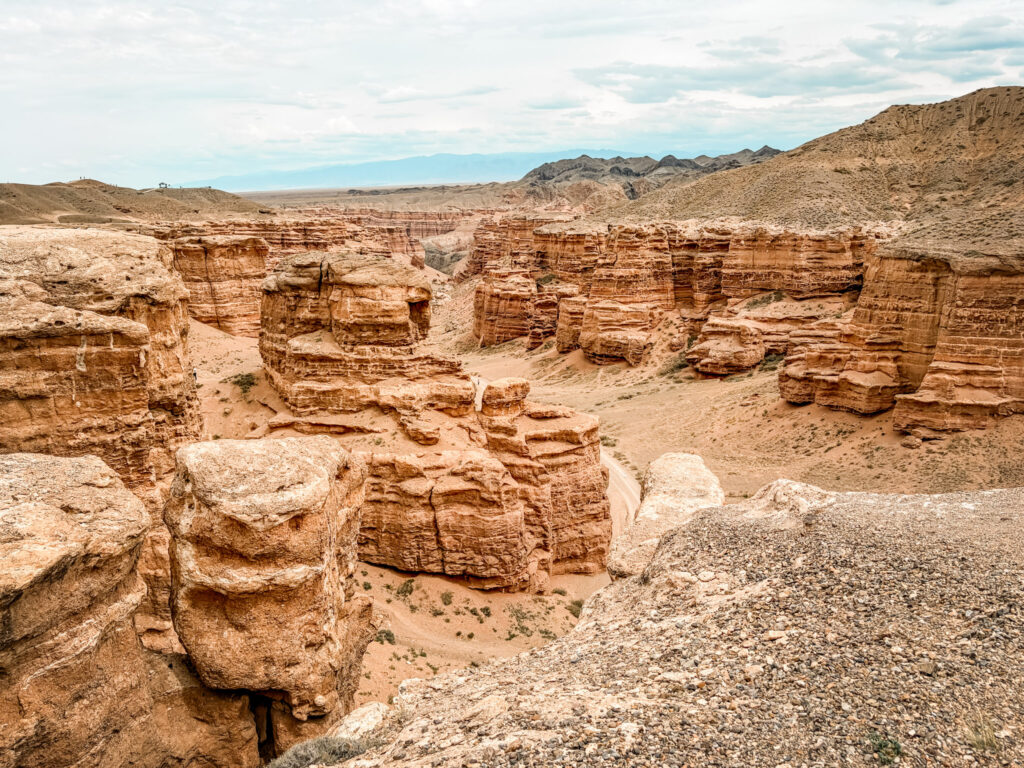
Best Time to Visit: The best time to visit Kazakhstan is late May through September. June to September is when the high mountain trails around Almaty, like Shymbulak and the Tuyuksu glacier area, are reliably snow-free. Late spring and early fall are great for Charyn Canyon and the Kolsai Lakes, when it’s cooler and less crowded. July and August can be very hot in the lowlands, so plan canyon days early in the morning.
Currency and Tipping: The official currency is the Kazakhstani tenge (KZT). Many restaurants in Almaty and Astana add a 10–15% service charge to the bill, so check before tipping extra. Rounding up or leaving around 10% is appreciated where it isn’t included, and guides and drivers are usually tipped. Cards are widely accepted in the cities, but carry cash for rural areas, markets, and small guesthouses. [Your own experience with cards vs. cash]
Must Eat: Don’t leave without trying beshbarmak (the national dish of boiled meat and noodles), plov (rice pilaf), manty (steamed dumplings), baursak (fried dough), and kymyz (fermented mare’s milk, an acquired taste but worth the story). If you’re brave, try shubat (fermented camel’s milk) or kazy (horse sausage). [Your family’s favorite or least favorite]
Power Up: Kazakhstan uses plug types C and F, with a standard voltage of 220V.
Language: Kazakh is the state language, and Russian is used widely in everyday life, especially in Almaty and Astana. English is limited outside hotels, tour operators, and some younger people in the big cities, so a translation app (with offline Russian downloaded) or a few key phrases go a long way.
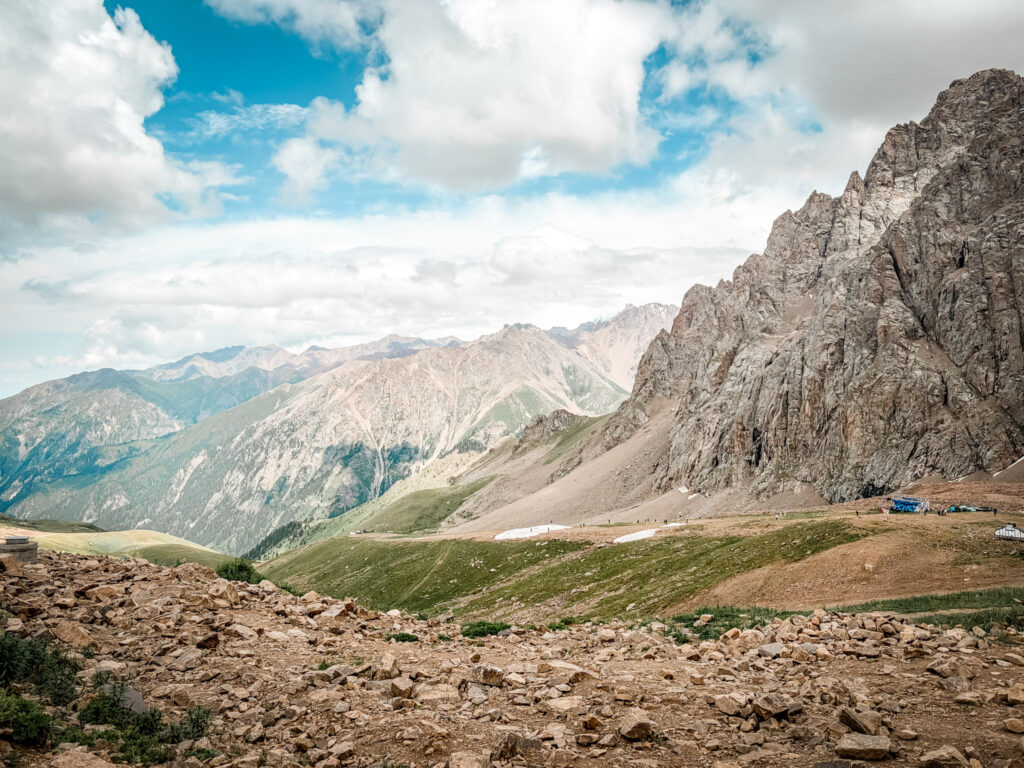
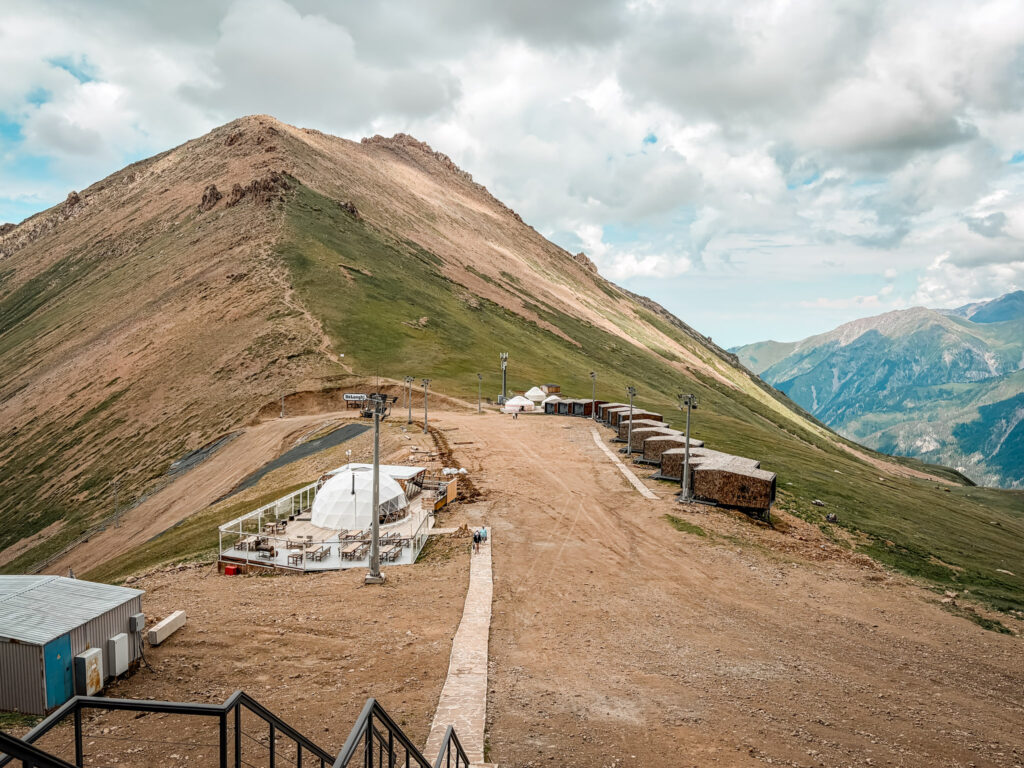
Popular Activities: Ride the gondolas up to Shymbulak and hike from Talgar Pass, walk the rim and floor of Charyn Canyon, visit the Kolsai Lakes and the sunken forest at Kaindy Lake, take the cable car up Kok Tobe for views over Almaty, and use Almaty as your base for exploring the Tian Shan mountains. [Add or swap in anything you did]
A few things to double-check before publishing: Almaty restaurant service charges vary, so if you remember the typical percentage on your bills, use that. You might also add a line on getting around (Yandex Go works well in Almaty), since that’s a common reader question.
Featured Articles on Kazakhstan
Activities in Kazakhstan
Hike to Alpine Lakes: Hike to Kazakhstan’s mountain lakes, like Big Almaty Lake, a turquoise reservoir surrounded by Tian Shan peaks just outside the city, the three Kolsai Lakes, and Kaindy Lake, where the trunks of a sunken spruce forest still stick up out of the water.
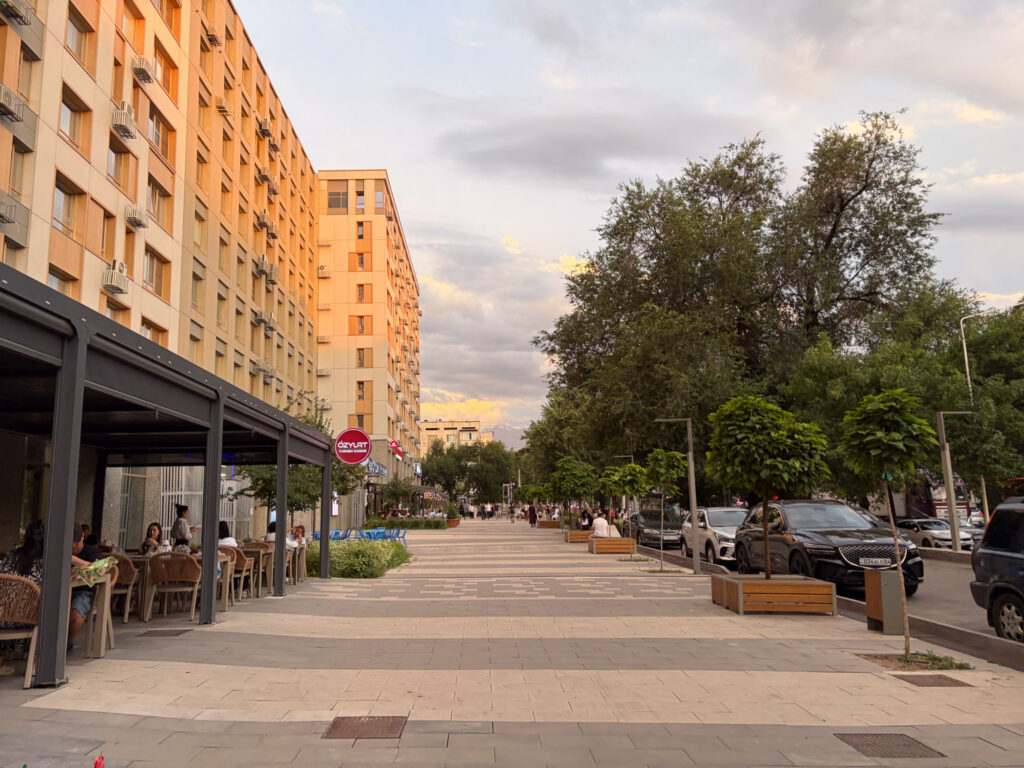
Explore Almaty and Astana: Spend time in Kazakhstan’s two very different main cities. In Almaty you’ll find Soviet-era architecture, leafy parks, the wooden Ascension Cathedral, and the mountains right on the edge of town. Astana, the capital, is a futuristic city built mostly in the last 25 years, with landmarks like the Baiterek Tower and Khan Shatyr.
Try Kazakh Cuisine: Try classic dishes like beshbarmak, plov, manty, and baursak at local cafes, cafeteria-style stolovayas, and family-run guesthouses. [Your favorite spot or dish]
Visit Ancient Silk Road Sites: Explore Kazakhstan’s role on the historic Silk Road at the Mausoleum of Khoja Ahmed Yasawi in Turkistan, the ruins of Otrar and Sauran, and the Tamgaly petroglyphs, a short drive from Almaty.
Experience Nomadic Traditions: Visit during Nauryz, the spring new year celebration around March 21–22, when cities fill with yurts, food stalls, and concerts. You can also look for eagle hunting demonstrations and kokpar, a traditional horseback game played on the steppe.
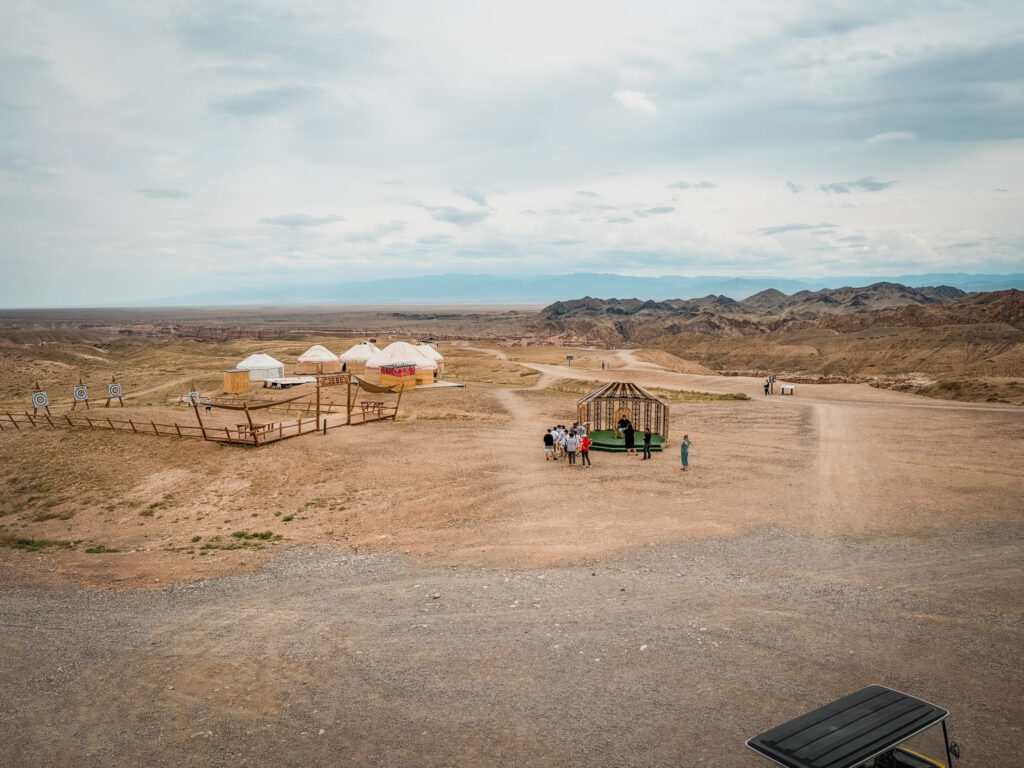
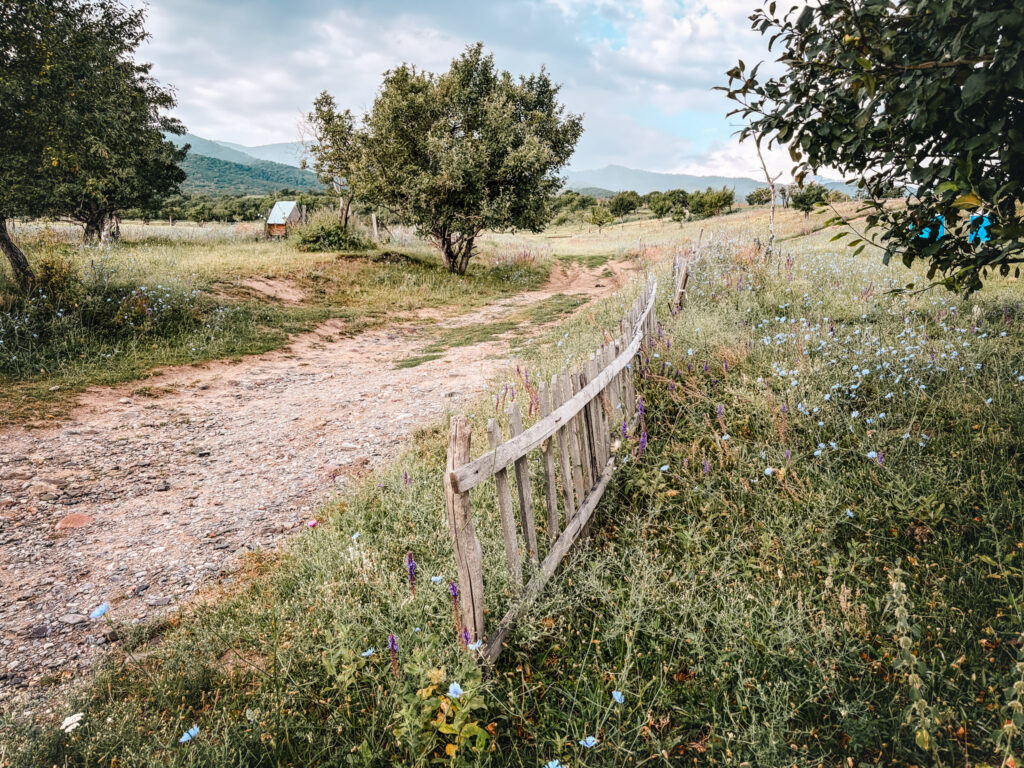
Go Yurt Camping: Spend a night in a yurt or a village guesthouse near the Kolsai Lakes, Charyn Canyon, or Altyn-Emel to experience the countryside outside the cities. [Where you stayed, if you did]
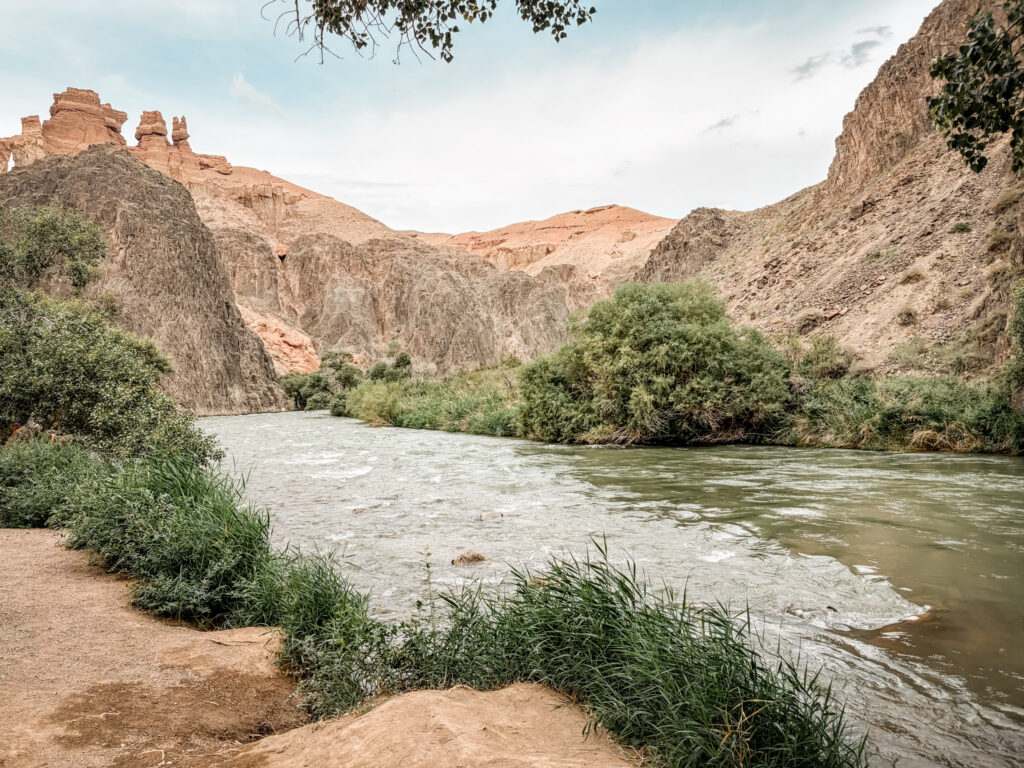
Adventure in National Parks: Hike down into the Valley of Castles at Charyn Canyon, climb the Singing Dune and spot wild kulans and gazelles in Altyn-Emel National Park, or explore the trails of Ile-Alatau National Park right above Almaty.
Take a Local Bazaar Tour: Visit Almaty’s Green Bazaar, where vendors sell fresh produce, nuts, dried fruit, horse meat, and kurt (dried salty cheese balls you’ll either love or hate).
Relax in Hot Springs: Soak in the Chundzha (Shonzhy) hot springs, which are easy to add to a Charyn Canyon trip, or visit the Arasan baths in Almaty for a traditional Russian-style banya after a long hike.
Explore UNESCO World Heritage Sites: Kazakhstan has several UNESCO World Heritage Sites, including the Mausoleum of Khoja Ahmed Yasawi, the Tamgaly petroglyphs, and parts of the Silk Roads: Chang’an–Tian Shan Corridor, such as the ancient Talgar settlement near Almaty.