KYRGYSTAN
Kyrgystan isn’t on the top of many people’s list of places to visit, but it offers incredible hiking opportunities and a growing tourist industry that makes visiting easier and easier. It’s also a common place to explore for people in Europe so now is the time to go if you can to get an authentic experience.
Kyrgystan at a Glance
Weather: Kyrgyzstan has a dry continental climate with big seasonal swings hot summers (up to 86ºF in the valleys), cold winters, and dramatic temperature drops at higher elevations, even in July. Mountain weather can shift fast, so layers are non-negotiable no matter when you go.
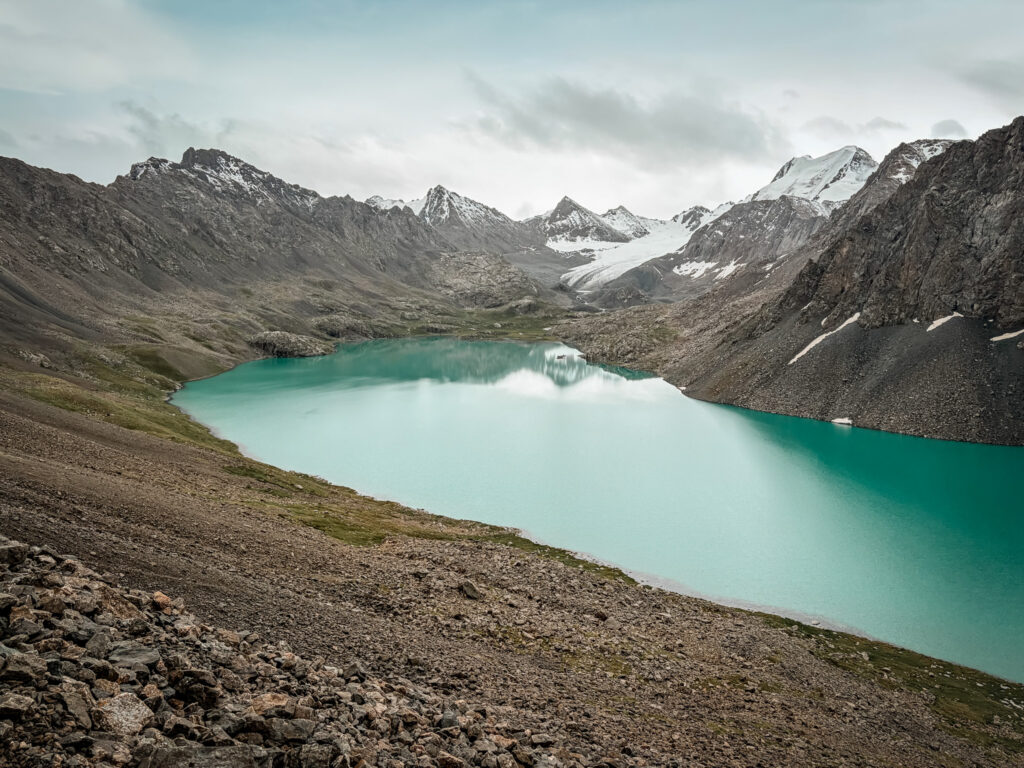
Best Time to Visit: The best time to visit Kyrgyzstan is from June to September, when high mountain passes and trekking routes (like Ala Kul and Song Kul) are actually accessible. Snow can linger into early summer and return by late September, so shoulder-season travel means checking trail conditions before you go.
Currency and Tipping: The official currency is the Kyrgyzstani Som (KGS). Tipping isn’t deeply ingrained but is increasingly common in Bishkek restaurants and with guides — 10% is a solid benchmark, and cash is king almost everywhere outside the capital.
Must Eat: Don’t leave without trying beshbarmak (the national dish of boiled meat and noodles), plov (rice pilaf), manty (steamed dumplings), and kymyz (fermented mare’s milk — an acquired taste, but worth the story).
Power Up: Kyrgyzstan uses plug types C and F, with a standard voltage of 220V.
Language: Kyrgyz and Russian are both official languages. English is limited outside Bishkek and tourist-focused guesthouses, so a translation app or a few key phrases go a long way.
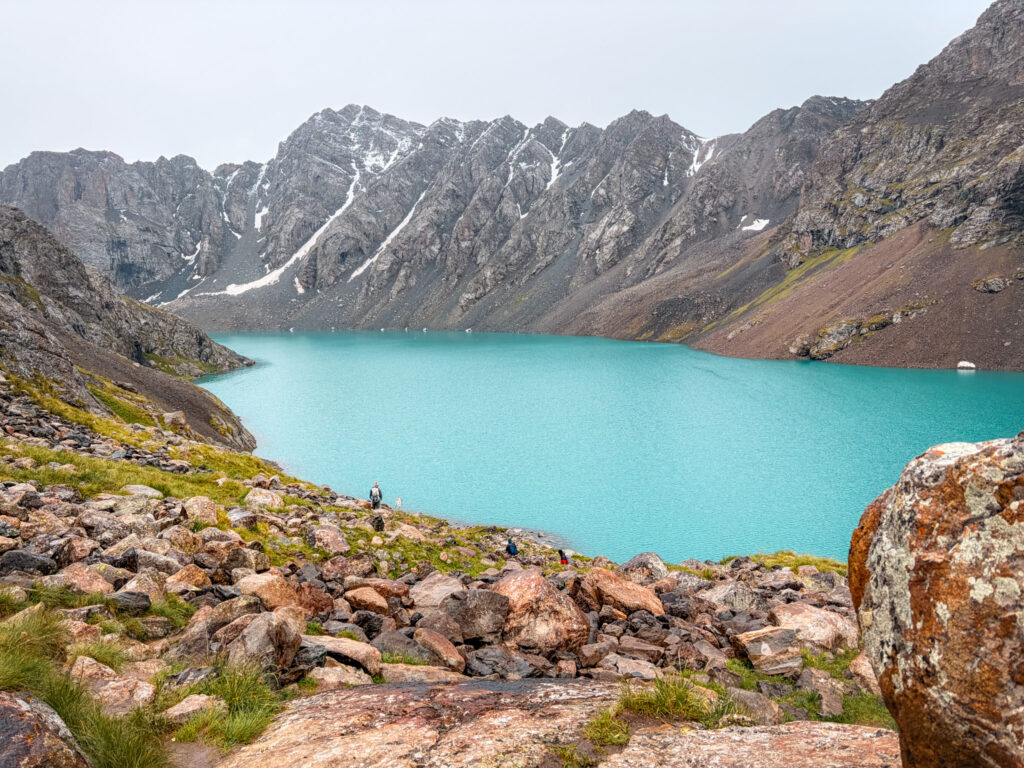
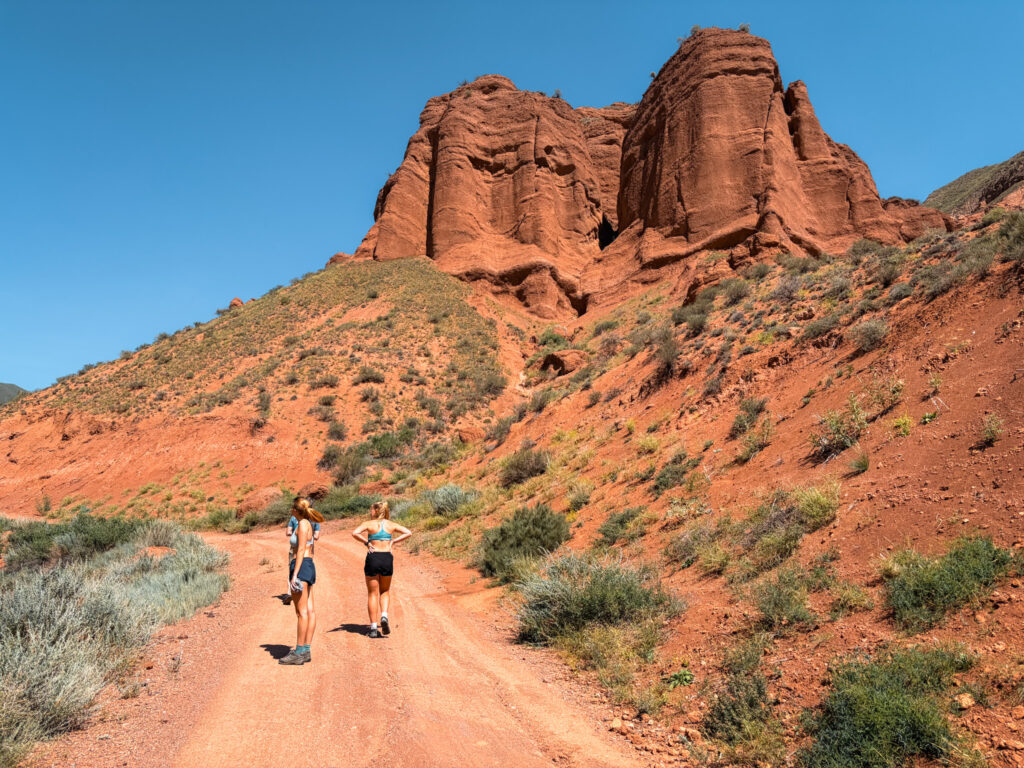
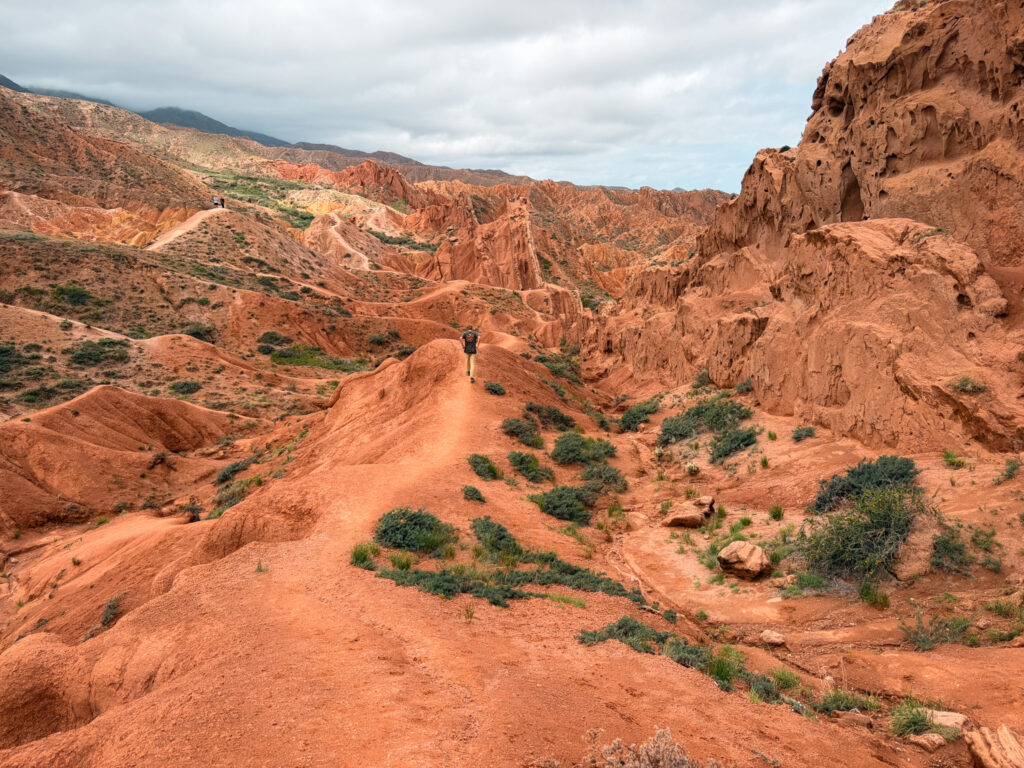
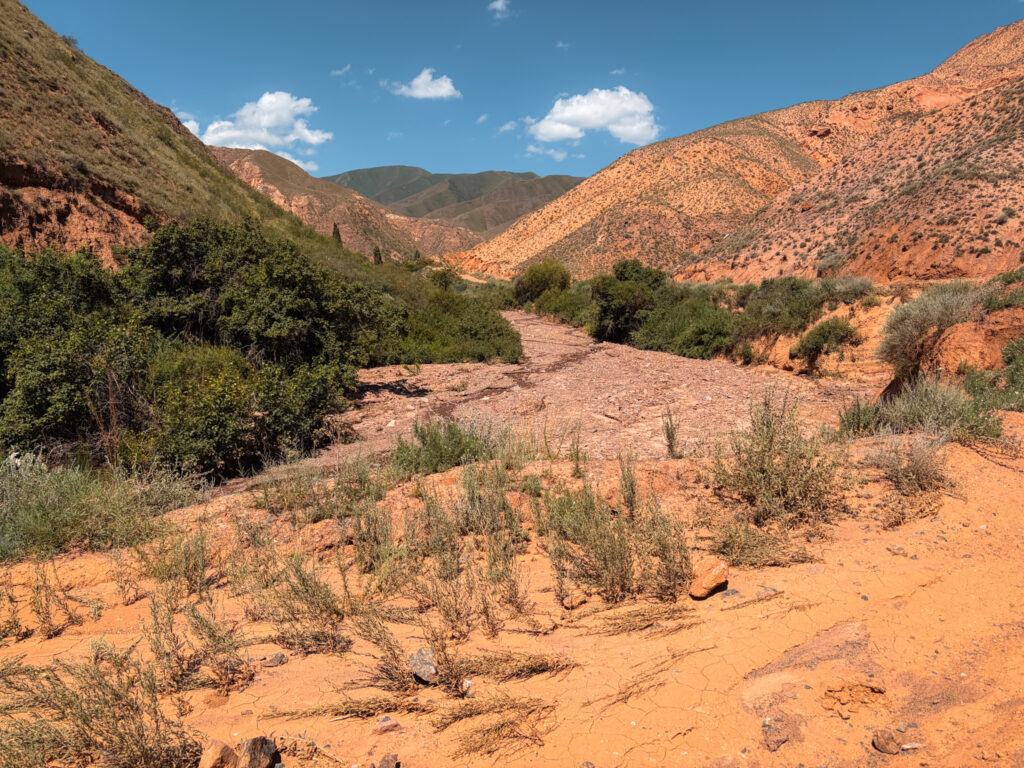
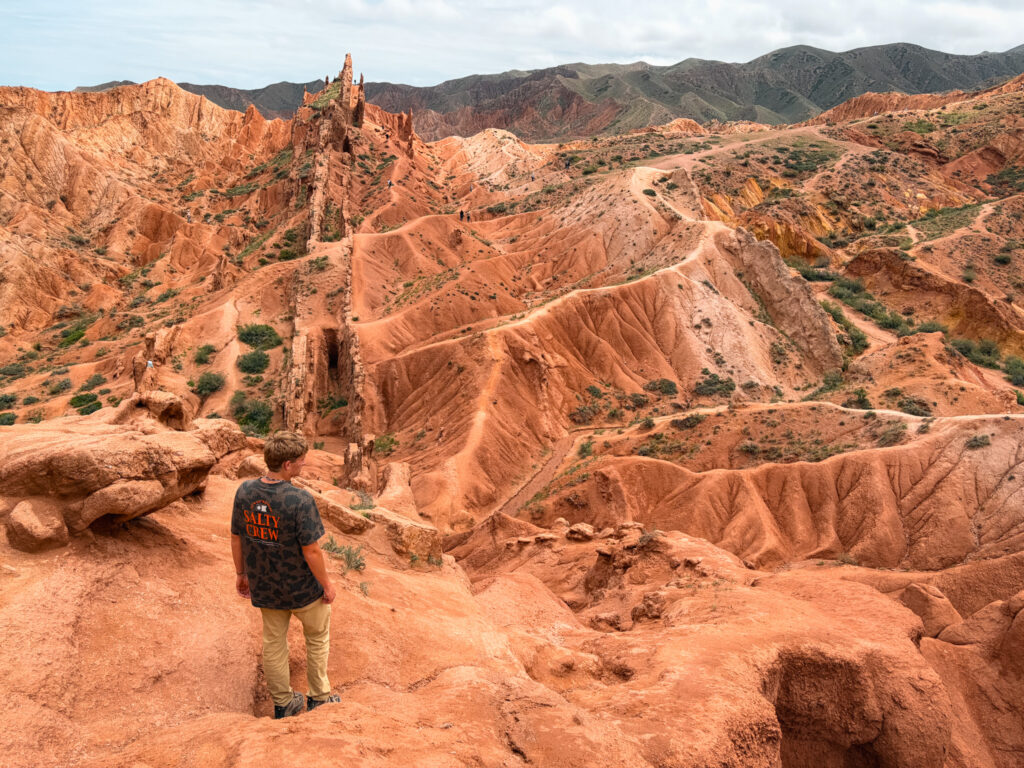
Popular Activities: Trek to Ala Kul Lake, spend a night in a yurt at Song Kul, wander Fairytale Canyon’s otherworldly rock formations, hike Ala Archa National Park just outside Bishkek, and use Karakol as your basecamp for exploring the surrounding mountains.
Featured Articles on Kyrgystan
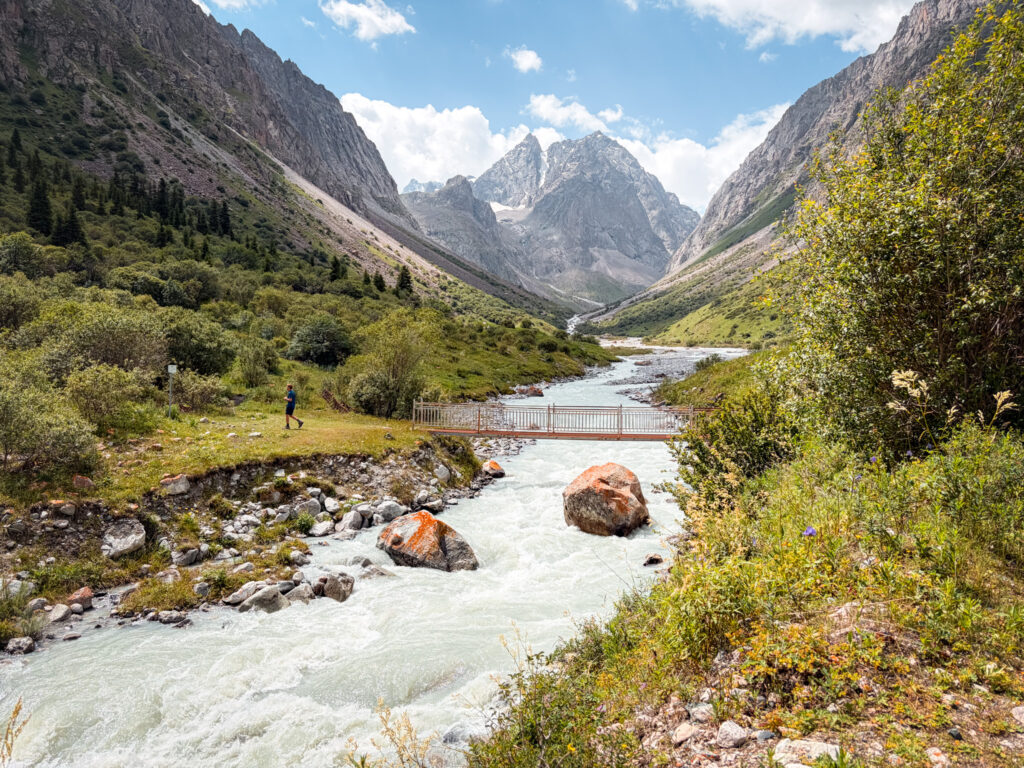
Activities in Kyrgystan
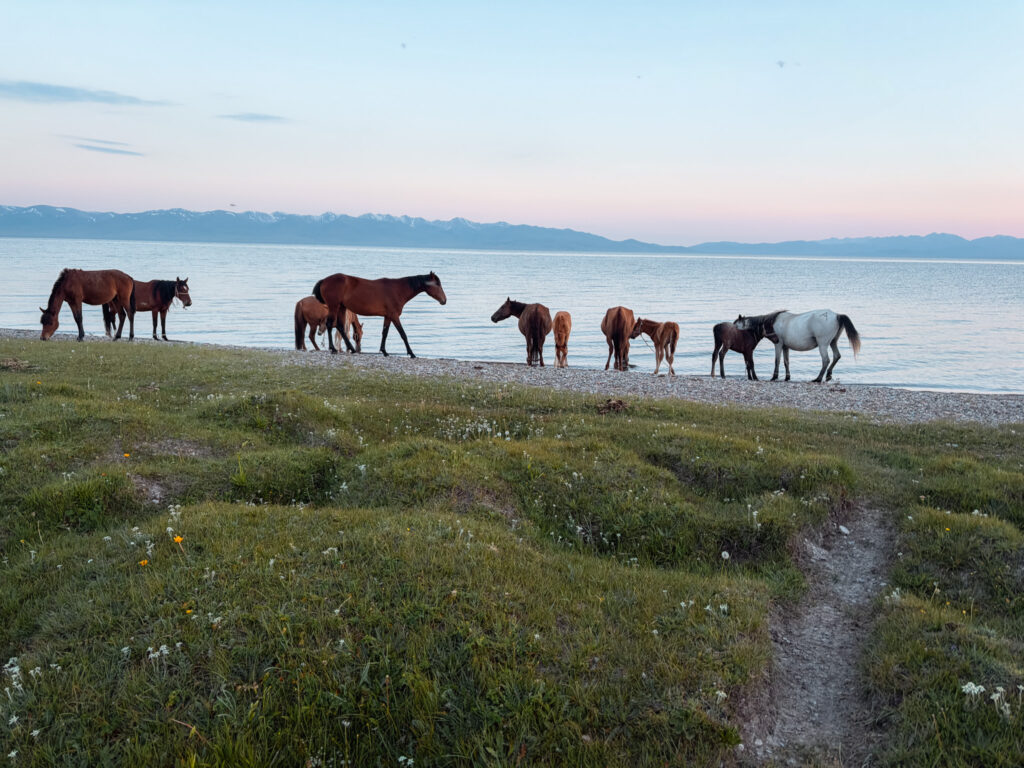
Hike to Alpine Lakes: Trek to Kyrgyzstan’s stunning high-altitude lakes like Ala Kul, Song Kul, and Issyk Kul, one of the largest alpine lakes in the world.
Explore Nomadic Culture in Bishkek and Karakol: Immerse yourself in Kyrgyzstan’s capital and its mountain hub, where Soviet-era architecture, bustling bazaars, and easy access to the Tian Shan mountains offer a mix of history and modern life.
Indulge in Kyrgyz Cuisine: Savor iconic dishes like beshbarmak, plov, and manty at local eateries, roadside cafes, and family-run guesthouses (or “ashkanas”).
Visit Ancient Silk Road Sites: Step back in time at destinations like Burana Tower, the ancient settlements of the Chuy Valley, and Sulaiman-Too Sacred Mountain in Osh — remnants of Kyrgyzstan’s place on the historic Silk Road.
Experience Nomadic Festivals: Witness the magic of the World Nomad Games, where horseback wrestling and eagle hunting take center stage, or catch Nooruz, Kyrgyzstan’s spring new year celebration.
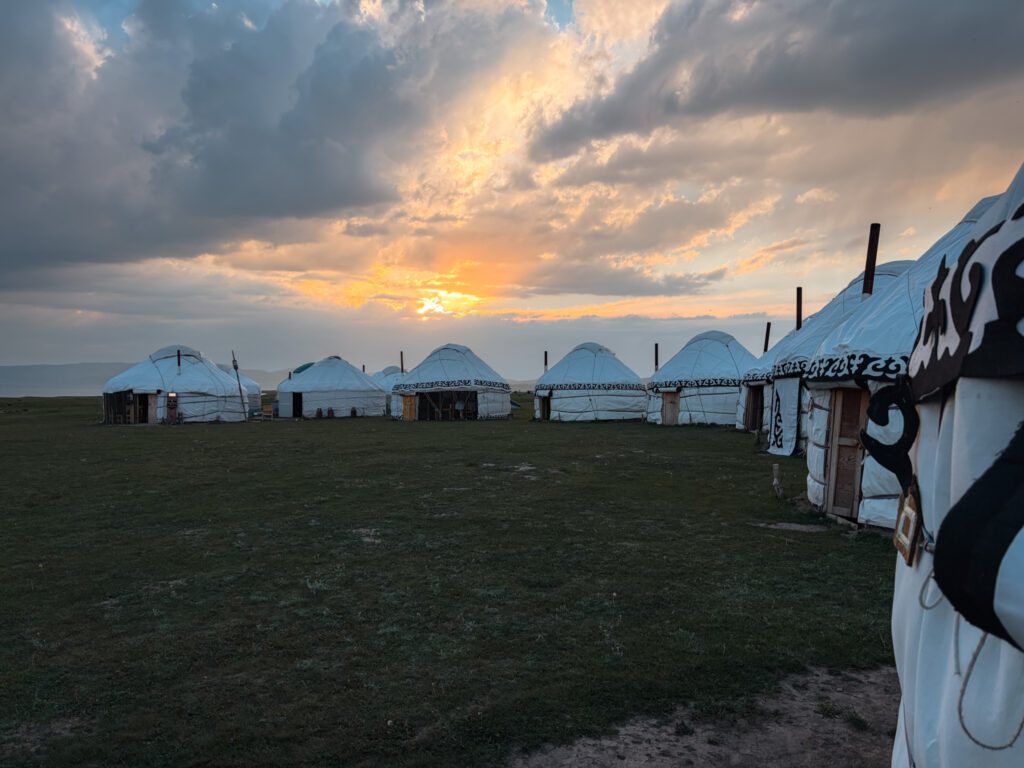
Go Yurt Camping: Discover Kyrgyzstan’s remote beauty by sleeping in a yurt at Song Kul or Tash Rabat, from the dramatic ridgelines of the Tian Shan to the quiet shores of high-altitude lakes.
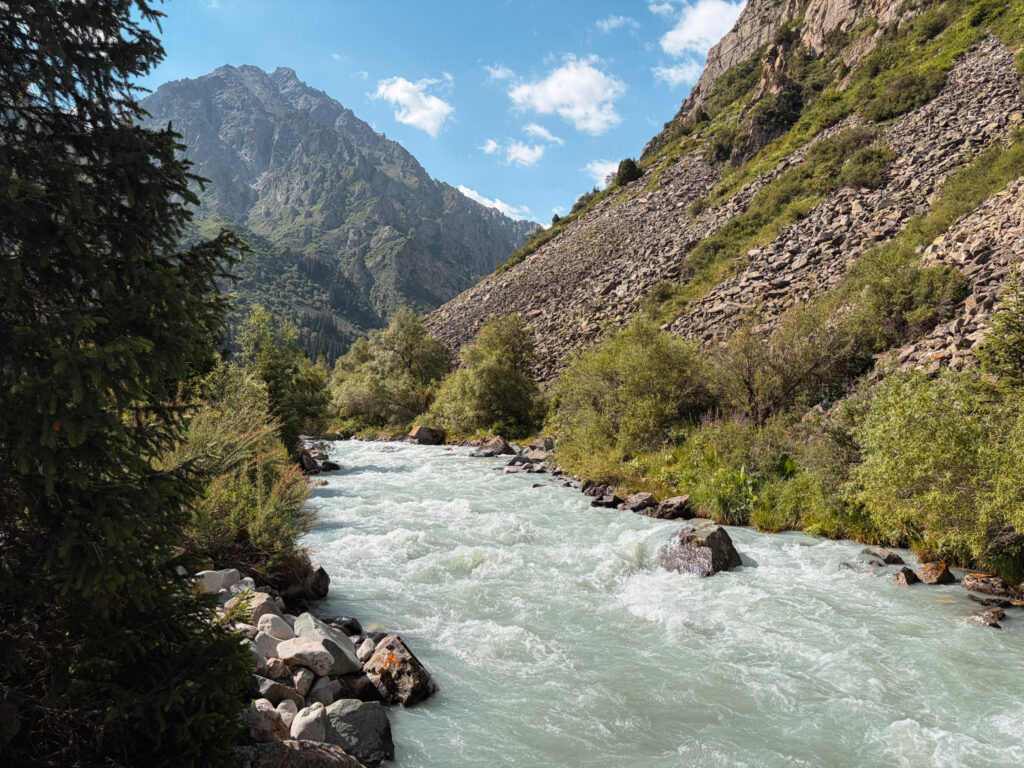
Adventure in National Parks: Trek through the rugged canyons of Ala Archa National Park, explore Fairytale Canyon’s surreal rock formations, or go wildlife spotting near Karakol, Kyrgyzstan’s gateway to the mountains.
Take a Local Bazaar Tour: Experience the unique charm of Kyrgyzstan’s markets like Osh Bazaar in Bishkek, where vendors sell fresh produce, dried fruit, and handcrafted felt goods.
Relax in Hot Springs: Rejuvenate in Kyrgyzstan’s natural hot springs, found in spots like Ak-Suu and around Issyk Kul, or enjoy a traditional Russian-style banya after a long trek.
Explore UNESCO World Heritage Sites: Visit historic sites like the Silk Roads’ Chang’an-Tian Shan Corridor and Sulaiman-Too Sacred Mountain, which reveal Kyrgyzstan’s fascinating place along the ancient trade routes.