 Gretchen Stuppy Carlson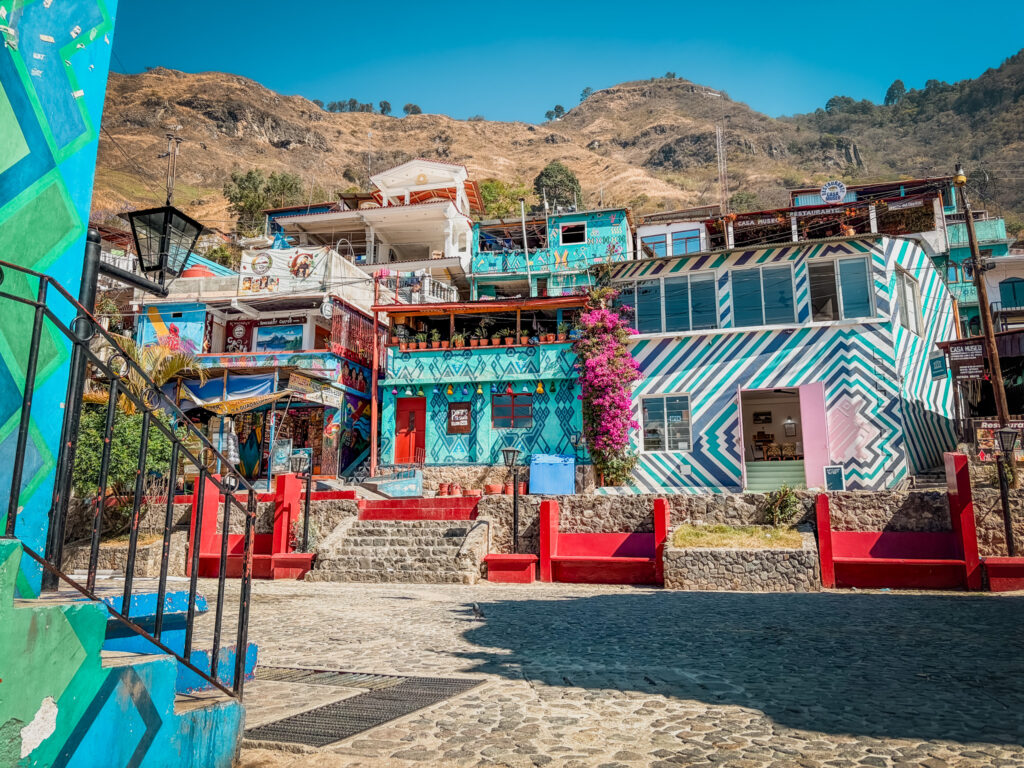
Santa Catarina Palopó might be the closest village to Panajachel on the lake, but don’t mistake proximity for similarity. This small, steep-streeted town on the eastern shore has quietly become one of the most striking places on all of Lake Atitlán and arguably the most photographed. We stayed in an Airbnb between Santa Catarina and Panajachel for several days during our most recent trip and got to know the village at a pace that most day-trippers don’t. It is one of my personal favorite towns on the lake.
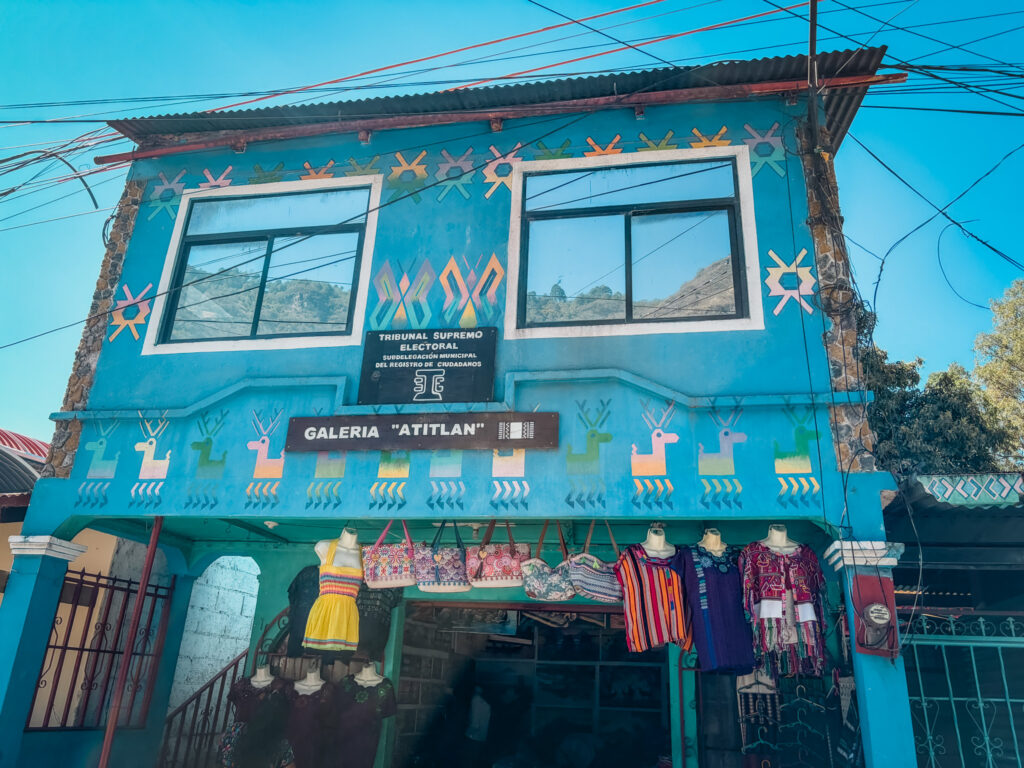
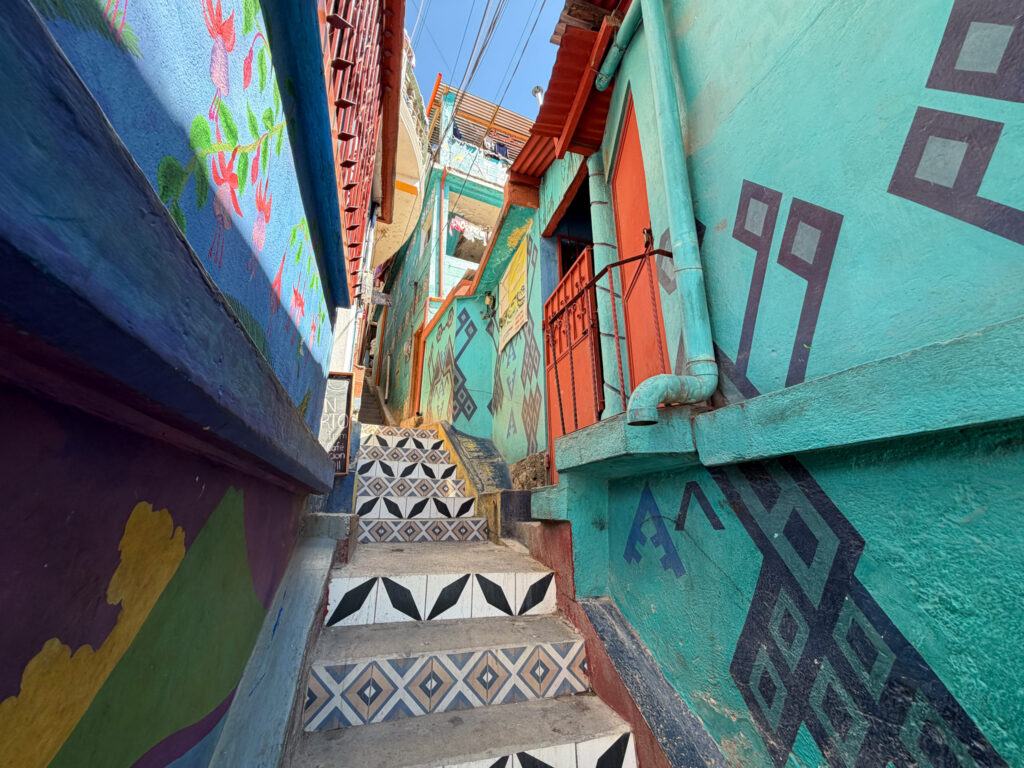
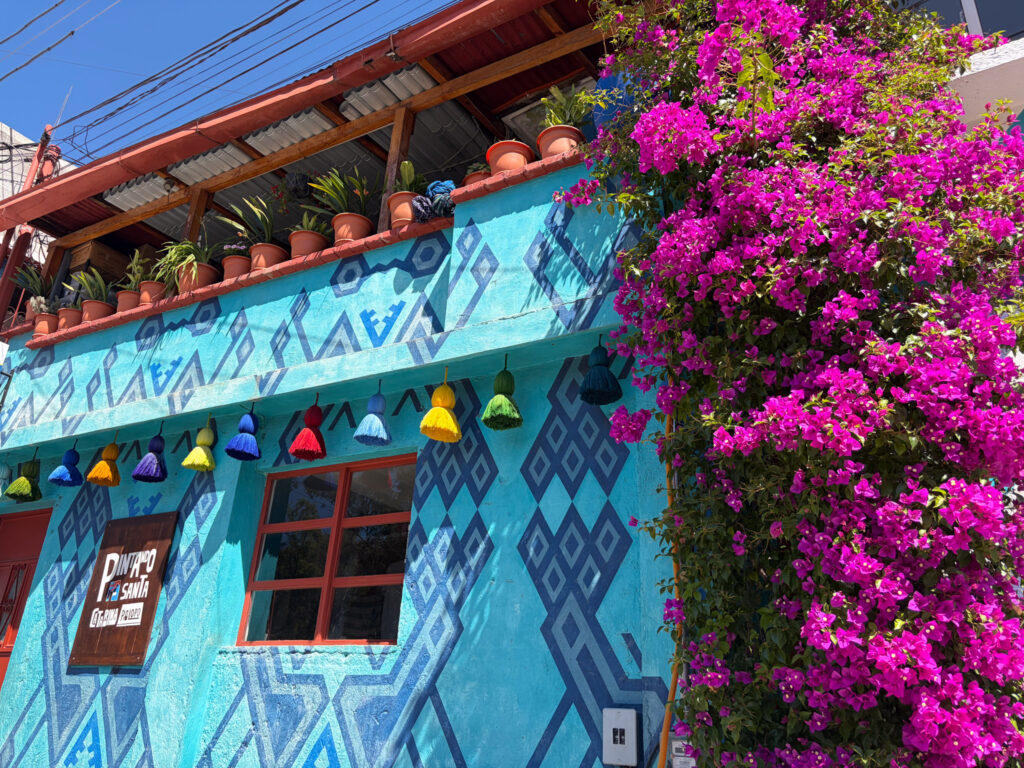
What makes Santa Catarina stand out is immediately obvious: almost every surface in the village has been painted in vivid shades of blue, teal, and indigo as part of a sweeping community mural project. It looks like the whole town decided to dress up for a party and never stopped. Pair that with the weaving traditions the town is known for, the steep cobblestone streets, and views out over the lake and volcanoes, and you have somewhere that rewards slow, curious exploration.
Want more guides to Guatemala or other parts of Central America? Check out our most recent Guatemala itinerary.
I’ve spent decades exploring family adventures, epic hikes, and National Parks across the world. For more inspiration, check out my National Parks Page or see some of my favorite destinations to plan your next adventure and make sure to join my weekly newsletter.
How to Get to Santa Catarina Palopó
Santa Catarina is one of the easiest villages on the lake to reach, which makes it a natural first or last stop on any Lake Atitlán itinerary.
By tuk-tuk from Panajachel: The fastest and most convenient option. The ride takes about 15 minutes along a paved lakeside road and costs around Q15–20. You can flag down a tuk-tuk anywhere on Panajachel’s main Calle Santander or arrange one at your hotel. This is how we usually got there.
By boat from Panajachel: The public lanchas (water taxis) also stop at Santa Catarina. The ride is short — under 15 minutes — and costs around Q25–30 each way. You can catch the boat at the main dock in Panajachel starting at 6:30am. Just tell the captain where you’re heading.
By road: If you have a rental car or private shuttle, Santa Catarina sits right on the main road that follows the eastern shore of the lake. Easy parking is limited once you’re in the village itself, so the tuk-tuk remains the more practical choice for most people.
Once you arrive, the village essentially unfolds uphill from the water’s edge. Most of what you’ll want to see is within easy walking distance of the dock, though the steep terrain means comfortable shoes are essential.
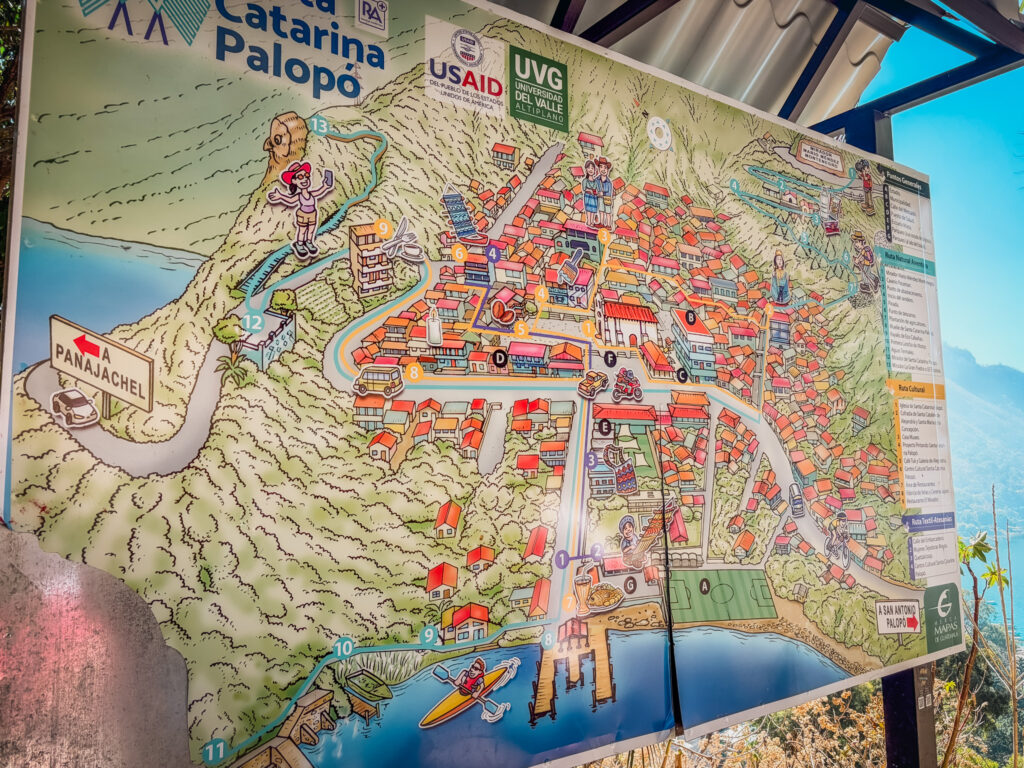
Map of Santa Catarina Palopo
What to Do in Santa Catarina Palopó
Walk the Mural Route
This is the thing that stops people in their tracks the moment they step off the boat or tuk-tuk. A few years ago, the community of Santa Catarina Palopó undertook a large-scale mural project, painting buildings, walls, staircases, and even the church facade in deep blues, teals, and indigos inspired by the traditional huipil (woven blouse) patterns of the Kaqchikel Maya women of the village. The effect is stunning — and completely cohesive in a way that feels intentional rather than touristy.
There’s no official mural map. Just walk uphill from the dock and wander. Every turn reveals something new. The colors are especially vivid in morning light, which is another reason to arrive early before the day-tripper crowds from Panajachel roll in.
Note: Santa Catarina’s murals are often compared to San Juan La Laguna’s street art, but they have a completely different feel. San Juan’s art tells individual stories and has a gallery vibe; Santa Catarina’s murals are more architectural — they transform the entire built environment into one coherent visual statement.
Watch the Weavers
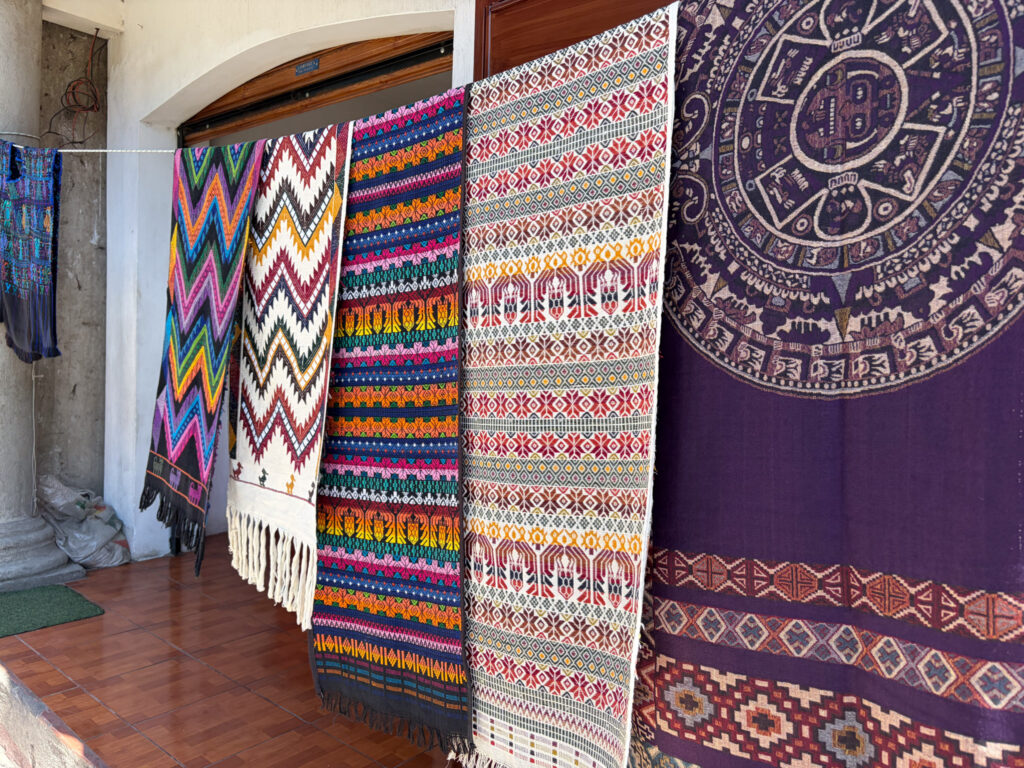
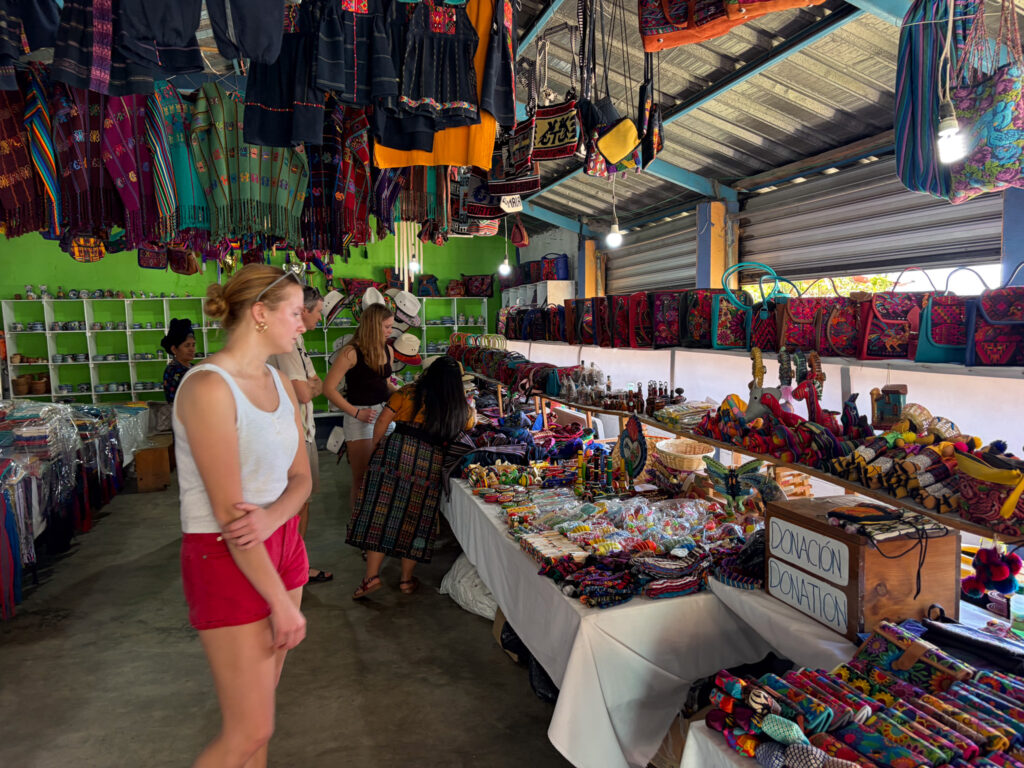
Santa Catarina has a long tradition of traditional jaspe (tie-dye resist) weaving, and the town’s women are known for their distinctive huipiles — embroidered blouses in the same deep blue and teal tones that inspired the mural project. You’ll see women weaving on backstrap looms in doorways and courtyards throughout the village.
A number of small cooperatives and shops sell locally made textiles directly from the artisans. This is one of the best places on the lake to buy directly and know your money is going straight to the makers. Ask before photographing — most people are happy to chat, but it’s always worth asking first.
Visit the Church of San Francisco de Asís
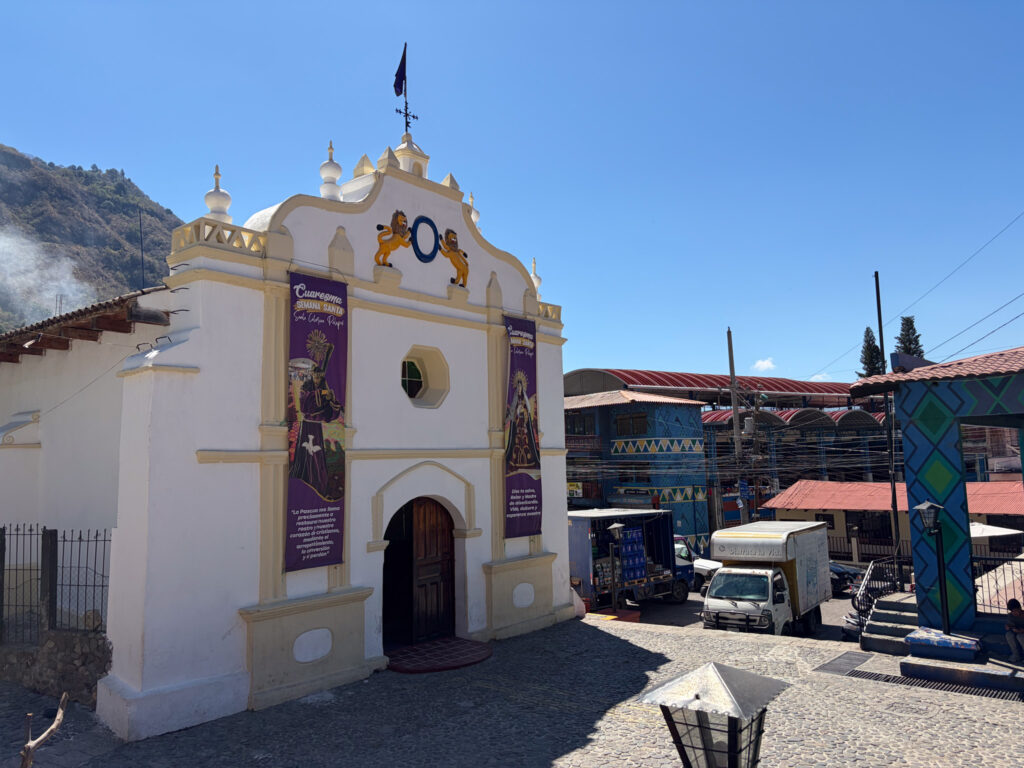
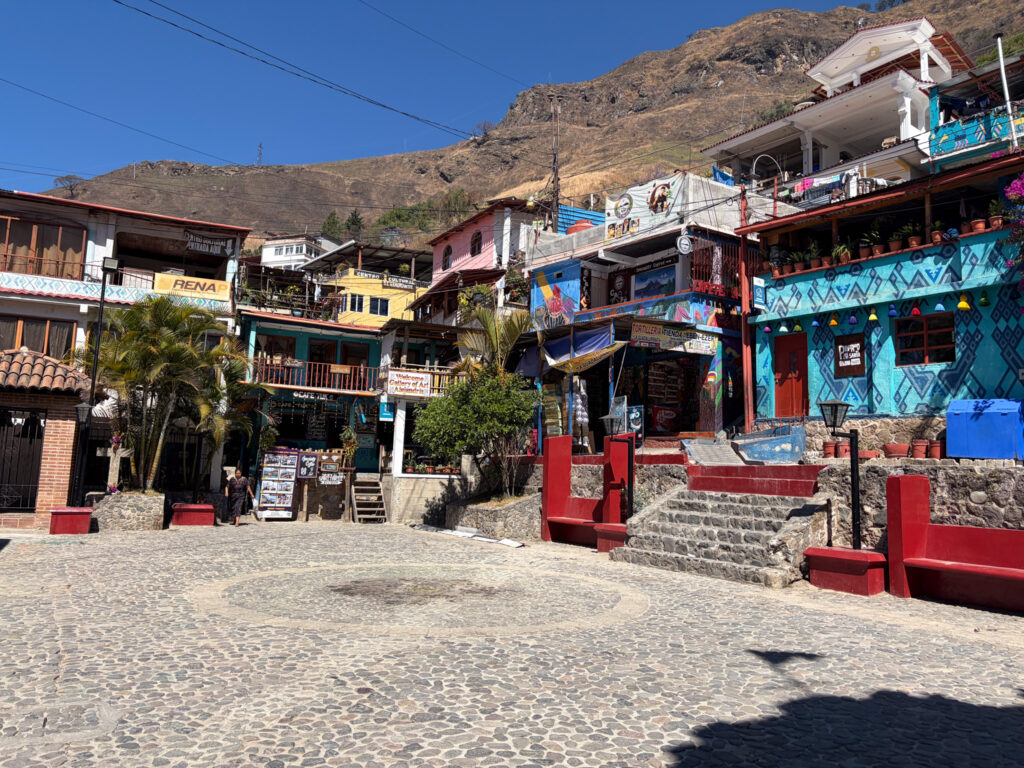
The 16th-century colonial church at the heart of the village is worth a stop even if you’re not making a special trip for it. Like the rest of the town, it’s been painted in the now-signature blue and teal palette, which makes for an unusual and striking sight. The interior is simple but atmospheric, and the small square in front of the church is a good place to sit, watch the village go about its morning, and have a coffee before wandering further.

Day Trip to San Antonio Palopó
Santa Catarina and its neighbor San Antonio Palopó sit just a few minutes apart along the eastern shore, and visiting both in the same trip makes a lot of sense. San Antonio has a completely different character — quieter, more traditional, with a strong ceramics tradition alongside its weaving. The cobblestone streets there are some of the most atmospheric on the lake. You can take a tuk-tuk between the two towns for next to nothing, or walk the lakeside path if you’re feeling adventurous.
Photography and Views
The combination of the painted village, the lake stretching out below, and the trio of volcanoes across the water makes Santa Catarina one of the best photography spots on Lake Atitlán. Early morning and late afternoon give you the best light on the murals. The elevated streets above the dock offer wide views across to San Pedro and the volcanic skyline — it’s worth climbing a little higher than feels necessary for the payoff.
Where to Stay in Santa Catarina Palopó
Accommodation options in Santa Catarina are limited but growing. Most visitors come as a day trip from Panajachel, which is genuinely easy given the short distance. That said, staying here — or somewhere in between, as we did — gives you the village at its quietest and most beautiful.
High-end: Villa Sumaya is the standout property on this side of the lake — a beautiful lakeside wellness retreat with yoga, spa services, and stunning views. It sits just outside Santa Catarina and draws visitors from across the lake for treatments even if they’re not staying the night.
Mid-range: Airbnb options between Santa Catarina and Panajachel offer excellent value and often come with lake views, full kitchens, and more space than a hotel room. This is what we did and it worked really well — close enough to both towns to enjoy the best of each.
Budget: Options are very limited within the village itself. If budget is the priority, base yourself in Panajachel and take the tuk-tuk over — it’s honestly one of the easiest commutes on the lake.
What to Eat and Drink
Santa Catarina is not a dining destination in the way that San Juan or San Pedro are. There are a handful of small comedores (local lunch spots) in the village serving traditional Guatemalan food, rice, beans, grilled chicken, fresh tortillas, at very low prices. These are worth seeking out if you want an authentic and inexpensive meal alongside locals. Most of these places are centered around the main square in town.
For a wider range of options, Panajachel is just 15 minutes away by tuk-tuk. We found ourselves heading back there for dinner most evenings and returning to Santa Catarina in the morning.
Cash is king here. There are no ATMs in Santa Catarina itself. Stock up in Panajachel before you come the yellow 5B machines in Panajachel accept foreign cards but charge steep fees, so take out what you need in one go.
Exploring Beyond Santa Catarina
Santa Catarina’s eastern shore location makes it a good base for exploring this side of the lake, which sees far fewer visitors than the western shore towns.
San Antonio Palopó is the obvious next stop just a short tuk-tuk ride south, with a ceramics tradition and colonial church that make it a worthwhile half-day add-on.
Panajachel is 15 minutes away and has everything you need in terms of ATMs, restaurants, pharmacies, and boat connections to the rest of the lake. We leaned on it as our practical base even while staying closer to Santa Catarina.
The western shore towns: San Marcos, San Juan, San Pedro, Santa Cruz, and Jaibalito, are all accessible by public lancha from Panajachel. Budget a full day if you want to explore more than one in a single trip.
You can compare all the towns around the lake in our complete guide to the towns of Lake Atitlán.
What We Didn’t Love
Santa Catarina gets a meaningful amount of day-tripper traffic from Panajachel, especially on weekends and during peak season making it a bit crowded. The best part of our day was early before the people arrived. Arrivebefore 9am if you can, and you’ll essentially have the village to yourself.
The steep terrain is also worth mentioning honestly. Getting around involves a lot of uphill walking on uneven cobblestones. It’s not a problem, but if you have mobility concerns or are traveling with very young kids in a stroller, it’s worth knowing in advance.
And as mentioned: no ATMs. Stock up before you come.
Is Santa Catarina Palopó Worth Visiting?
Yes, without hesitation. It’s one of those villages that doesn’t get as much attention as others, but the murals alone justify the 15-minute tuk-tuk ride from Panajachel, and the weaving culture and views make it genuinely memorable rather than just a photo stop.
If you’re combining it with San Antonio Palopó (which you should), you’ve got a full and satisfying day on the eastern shore without needing to rush or plan too hard. For photographers and anyone who appreciates the intersection of community, art, and traditional culture, Santa Catarina is one of the highlights of the lake.
Looking for more Lake Atitlán guides? See our posts on Panajachel, San Juan La Laguna, San Pedro La Laguna, San Marcos, and our complete Guatemala itinerary.